Masterclasses
Interactive sessions, facilitated by guest experts, to explore deeper how inclusive strategies can drive substantial changes in organisational practices or culture.
Book your place
This programme is supported by York and North Yorkshire Combined Authority, using funding from the Department for Work and Pensions' Get Britain Working Economic Inactivity Trailblazer.


EVENT DATES
March 2nd
March 13th

TIME & DURATION
From 10.00-13.00
3 hours

FORMAT
Interactive, online

PLACES AVAILABLE
12 places each
Join our Masterclasses
Overview
We are delighted to offer two masterclasses as part of the Conversations for Change Programme, building on our Lunch and Learn topics with our guest experts. These sessions will examine how compassionate and inclusive practices can have a tangible impact on healthy workplace cultures.
Each masterclass runs for three-hours and provides an opportunity to explore key themes at a greater depth, building on your own context.
The sessions will help you to deepen your knowledge and understanding and offer actionable strategies that will help you bring about foster meaningful change to your policies and practices within your workplace.
Who are these for?
Any employers, based in York or North Yorkshire, including business owners, senior leaders, managers or team co-ordinators.
This project is supported by York and North Yorkshire Combined Authority, using funding from the Department for Work and Pensions' Get Britain Working Economic Inactivity Trailblazer.
00
DAYS
00
HOURS
00
MINS
00
SECS
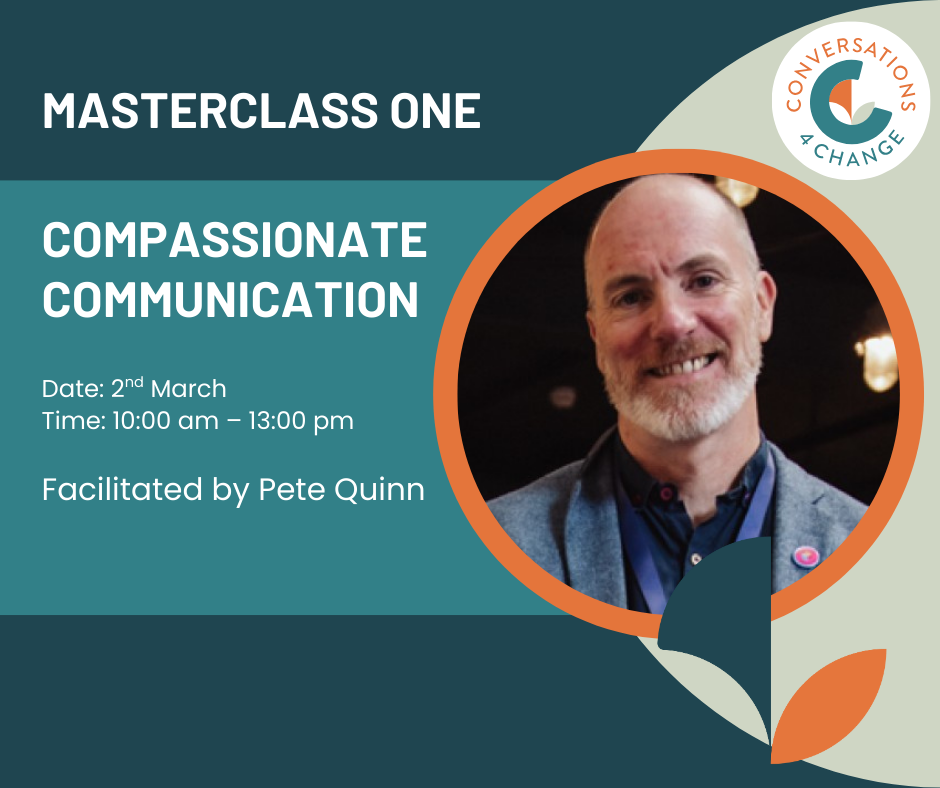
Masterclass one: Compassionate communication
Date: 2nd March
Time: 10:00 am – 13:00 pm
Facilitated by: Pete Quinn
Our first masterclass focuses on compassionate communication for effective leadership. A systematic research study (Ramachandran et al, 2023) showed that compassionate leadership can have multiple benefits within the workplace, including improved relationships, higher job satisfaction, lower levels of stress, and higher levels of commitment to the organisation.
The session will explore a practical approach to having honest, open challenging but compassionate conversations in the workplace, especially around change, performance, health, and conflict.
Across the session you will:
o identify the core elements of compassionate communication (such as listening to understand, acknowledging impact, and responding with clarity and care), and
o examine what compassion looks like in day‑to‑day interactions, in policy and procedure including documentation; linking it to empathy, psychological safety, and clearer, more effective dialogue at work, reflecting on different workplace scenarios.
o explore how compassionate communication can reduce stress, build trust, and improve engagement and collaboration within teams.
You will leave with knowledge of inclusive language, tools and actionable strategies for building compassion into everyday conversations, supporting sustainable, healthy and inclusive workplace cultures.
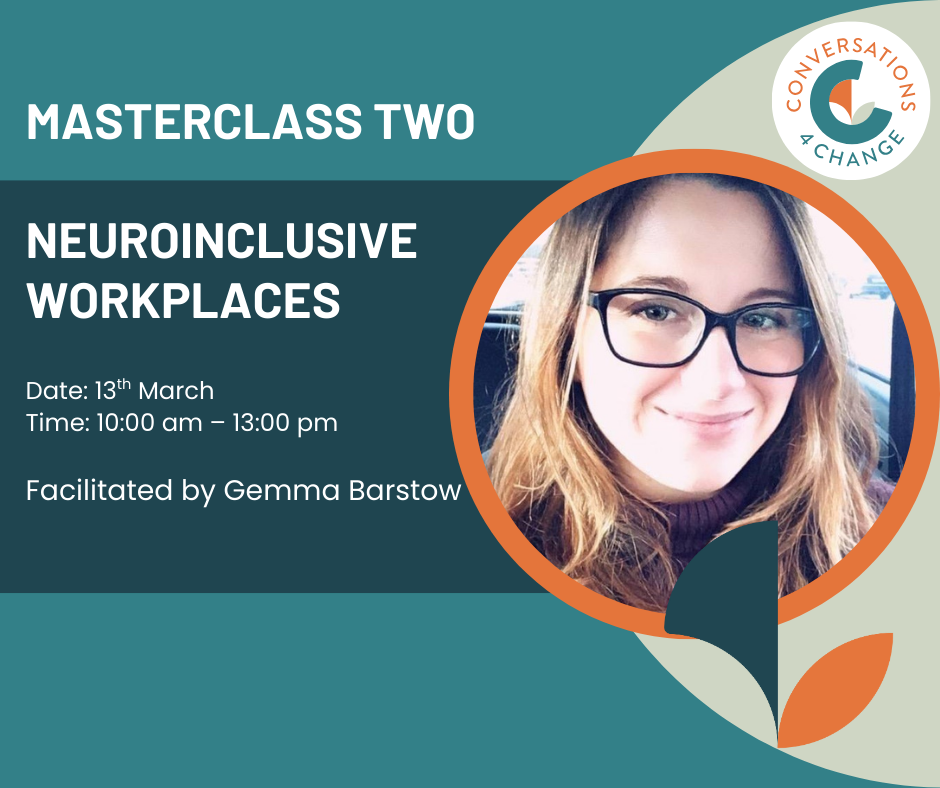
Masterclass two: Neuroinclusive workplaces
Date: 13th March
Time: 10:00 am – 13:00 pm
Facilitated by: Gemma Barstow
Our second masterclass centres on neuroinclusive workplaces and practical strategies for supporting neurodivergent talent. Recent research highlights that intentionally designing work environments to welcome neurodiversity leads to improvements in team problem-solving ability and overall productivity. When neurodivergent colleagues are supported through thoughtful and proactive adjustments and inclusive job design, organisations see greater innovation, engagement, and retention.
The session will explore a practical approach to creating workplaces where neurodivergent staff can thrive.
Throughout the session, you will:
- identify the essential elements of neuroinclusive practice (such as understanding neurodivergence, making reasonable adjustments, and fostering inclusive communication);
- examine how neuroinclusion can be embedded in everyday interactions, linking it to psychological safety, empathy, and the design of roles and workspaces
- explore how neuroinclusive approaches can enhance trust, reduce workplace stress, and drive collaboration and engagement within teams.
You will leave with practical knowledge, tools, and actionable strategies for building neuroinclusion into everyday conversations and workplace practices, supporting a sustainable, healthy, and truly inclusive organisational culture.